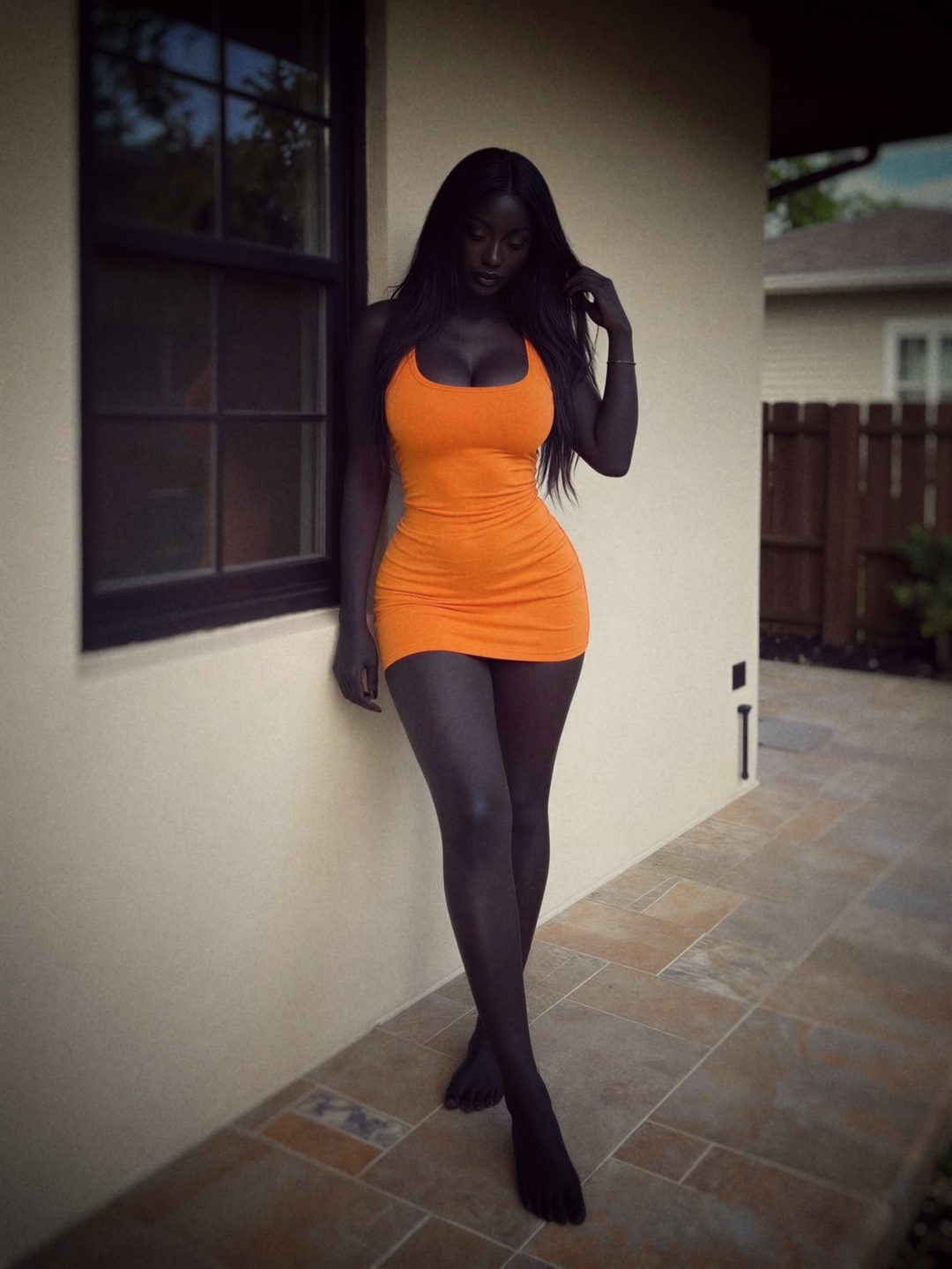
You can’t automate a vibe. While AI influencers like Nia Noir dominate headlines, we’re discussing why real-world creators remain the only way to build a genuine fanbase. Authentic music deserves authentic messengers.
Who is Nia Noir
Meet Nia Noir. At first glance, she is a marvel of modern engineering — visually stunning, technically efficient, and seemingly the perfect vessel for digital storytelling. With her striking presence and flawless aesthetic, she represents the absolute peak of AI-generated content. She never tires, she doesn’t miss a deadline, and her “vibe” can be recalibrated with a simple line of code.

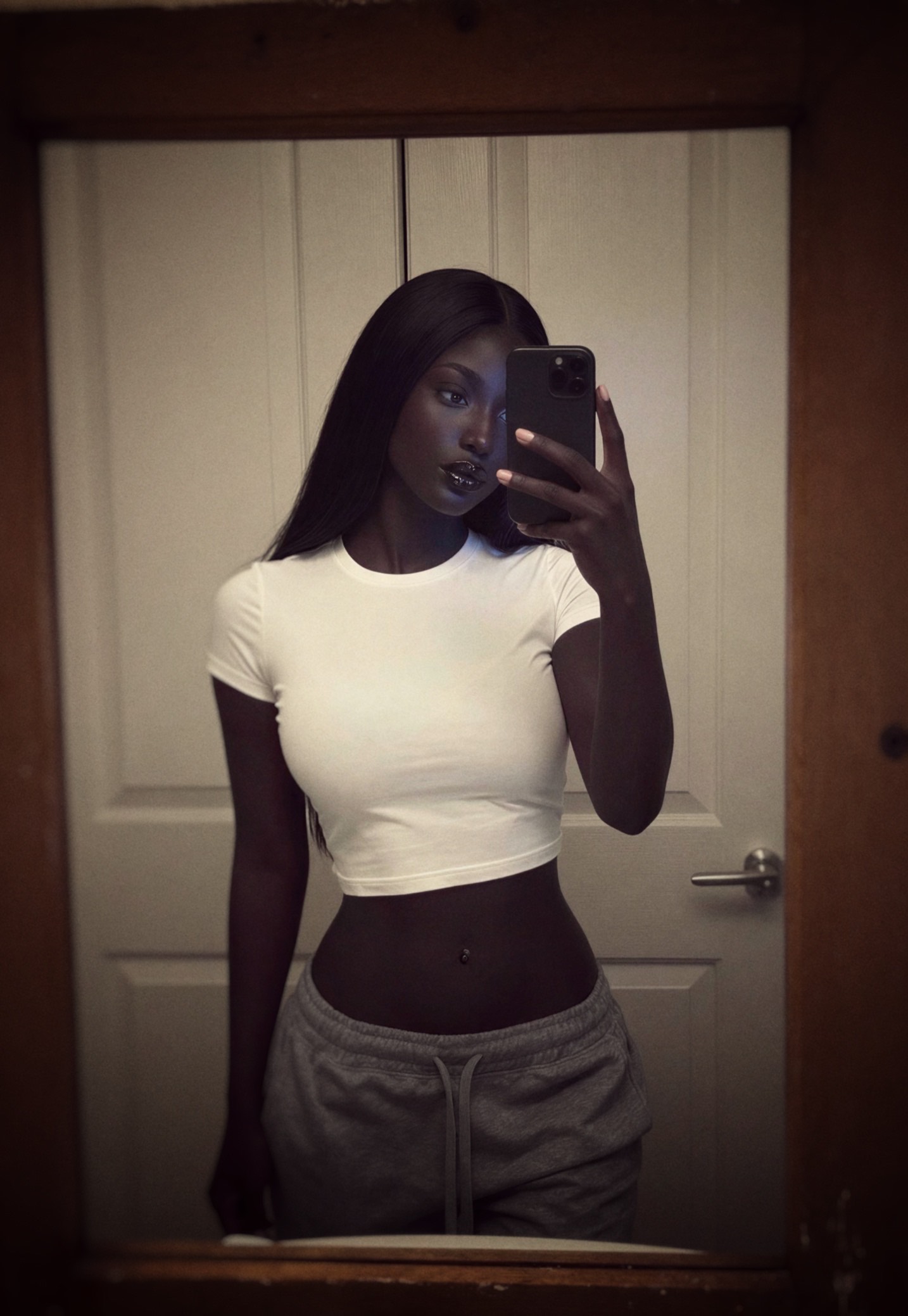
But as you look closer at the images of Nia, you begin to enter the “uncanny valley.” While she is a masterpiece of pixels, she represents a growing trend in marketing where influence is manufactured in a lab rather than earned through life experience. At Castella Media Group, we see this as a pivotal moment for the music industry. Influence, at its core, is a social contract — it’s a bond of trust between a creator and their audience. When that “influencer” has never actually lived a day, felt the rhythm of a song, or experienced the emotional pull of a lyric, that contract is broken. Nia Noir can simulate an aesthetic, but she cannot simulate a soul.
We believe that music is the most human of all art forms, and it deserves a human messenger. That is why we continue to bet on our network of real creators — people who don’t just “post” a song, but actually jam to it.
Influencers With a Pulse
While the “Nia Noirs” of the world are fine-tuned in a digital lab, the Castella Media Group roster is built on real-world talent, grit, and genuine musicality. We don’t just look for “profiles”; we look for creators who live and breathe the culture.
When an artist works with us, their music isn’t just being played into the void of an algorithm — it’s being championed by real people who have spent years building trust with their audiences. Our roster includes standout creators such as Ghanja Goddess, Audrey, Abie, Cwenga, Gabriella, and Marciia.
These aren’t just names on a spreadsheet; they are the heart of what we do. When one of our influencers vibes to your song, their followers aren’t just seeing a video — they’re seeing a recommendation from a person they admire. This leads to what we call “Secondary Virality.” Because these influencers are real, their followers feel empowered to join the trend themselves, creating organic reach that an AI simply cannot trigger.
The Trust Deficit: Why Music Needs a Human Messenger
In the world of digital marketing, “trust” is a currency that is incredibly hard to earn and remarkably easy to lose. This is where the AI model begins to fail the artist. When a fan discovers a new song through a creator, they are buying into that creator’s taste. They think, “If they like this, I might like it, too.”
With a digital avatar like Nia Noir, that connection is fundamentally hollow. Because she is a manufactured entity, her “endorsement” of a track isn’t a choice — it’s a programmed command. This creates what we call the Trust Deficit. When an audience realizes they are being marketed to by a bot, the emotional connection to the music often evaporates.
For the artists we work with at Castella Media Group, the goal isn’t just to get “views”; it’s to build a legacy. We’ve seen firsthand that:
- You Can’t Automate a “Vibe”: Our influencers are chosen because they already “jam” to specific genres. Their reaction to your bass drop or a poignant lyric is visceral and real.
- Engagement vs. Spectacle: People might look at an AI influencer out of curiosity (the “spectacle”), but they engage with real influencers because of shared humanity.
- The Power of Relatability: Fans connect with the “imperfections” — the messy room in the background, the genuine laugh, or the spontaneous dance move. These are the human elements that turn a song into a viral trend.
At the end of the day, an AI can mirror a trend, but it can’t start a movement. Movements are started by people who feel something. By choosing real human influencers over digital shells, we ensure that your music reaches ears — and hearts — that are actually listening.